Thirty-eight salons run their week on a system I built.
Everything on this page is labeled once, at the point of display. Live means in use by a real business. Demo means a reference design with invented data. Composite means drawn from real client patterns with details changed.
Command Salon
My family owns 38 Supercuts locations across Texas, Louisiana and Mississippi. Command Salon brings each location's weekly report together with the follow-up it creates: which manager owns the task, and when we check what happened.
The public screens use invented names and sample figures; the system underneath runs the real operation every week.
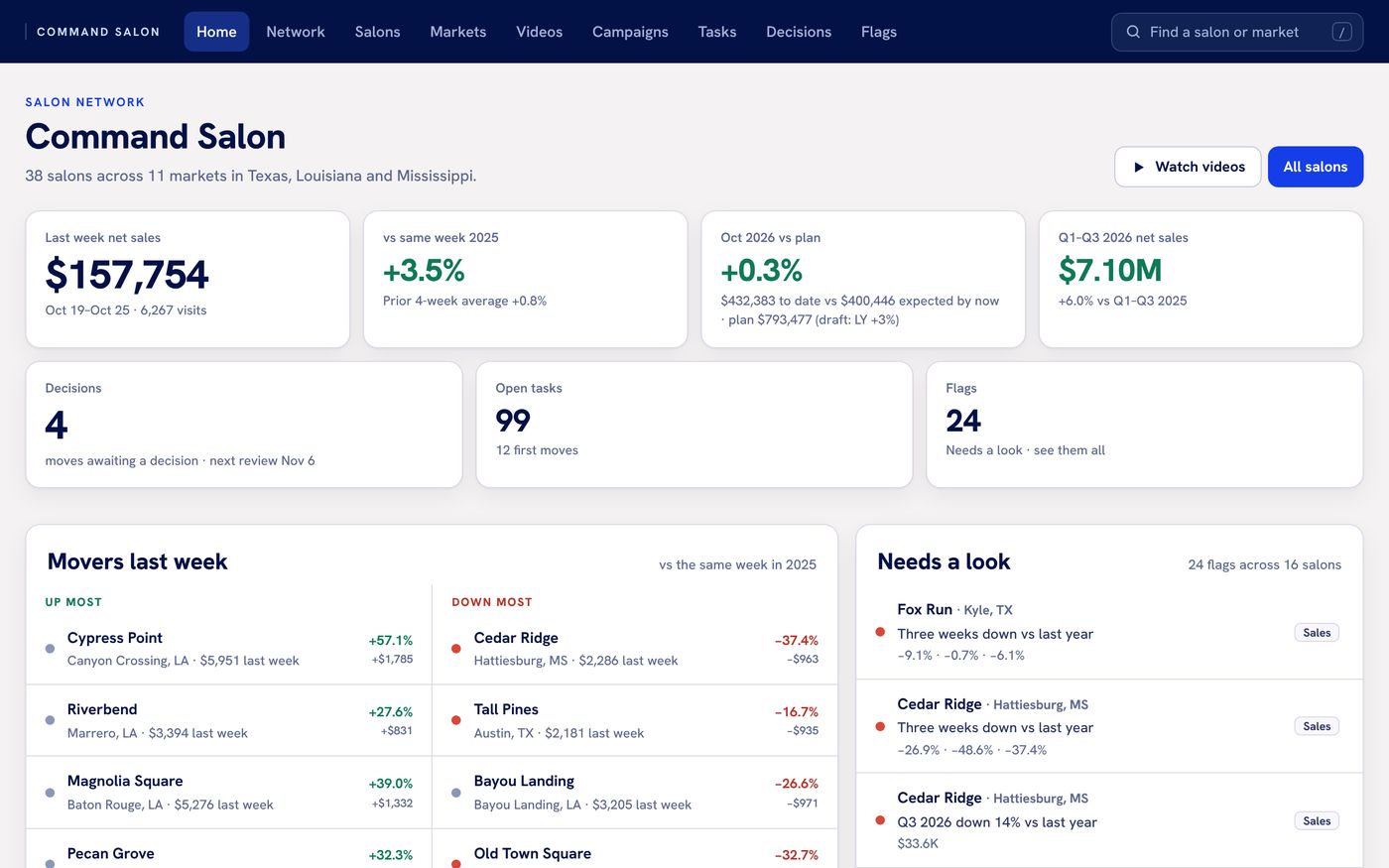
Family-business deployment · public screen uses sample data
A Houston custom manufacturer
The first full Blueprint: the shop's operating records, policy library, named agents with approval rules and end-to-end workflows, designed from the owner's own words before a build. Client details withheld.
My own practice, read by its own method
This practice runs on the system it deploys for clients, and sits for its own Read. The self-assessment is published with all five ratings, including the ones that came back degraded.
See my read →Six operating systems on Notion's Marketplace.
An operating system here means the full workspace a business runs on day to day. Open any of these and judge the build directly. Putting one into use for a particular company needs its own setup, connections and testing.
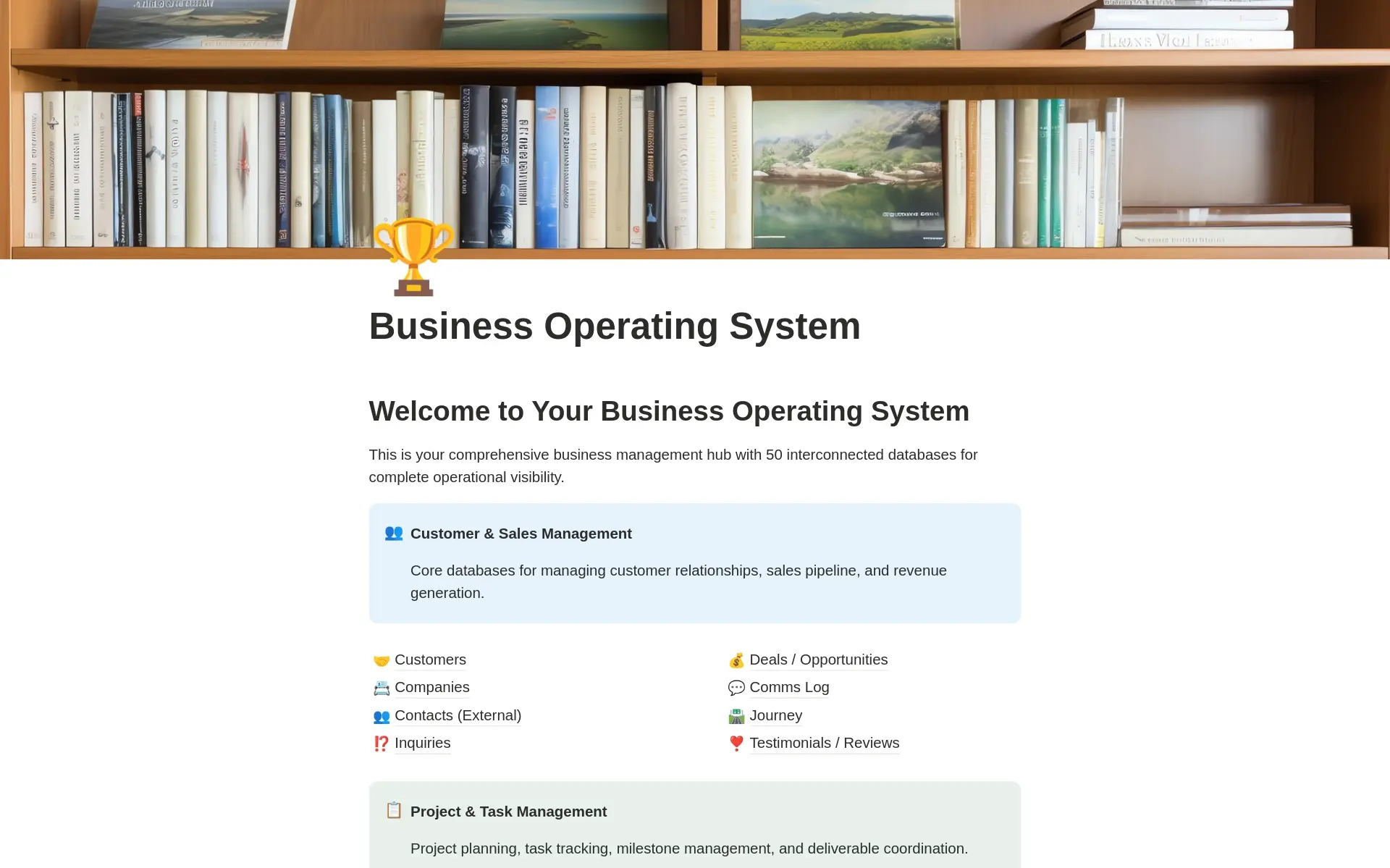
Business Operating System
Sales, projects, finance, people and knowledge connected in one workspace.
Inspect ↗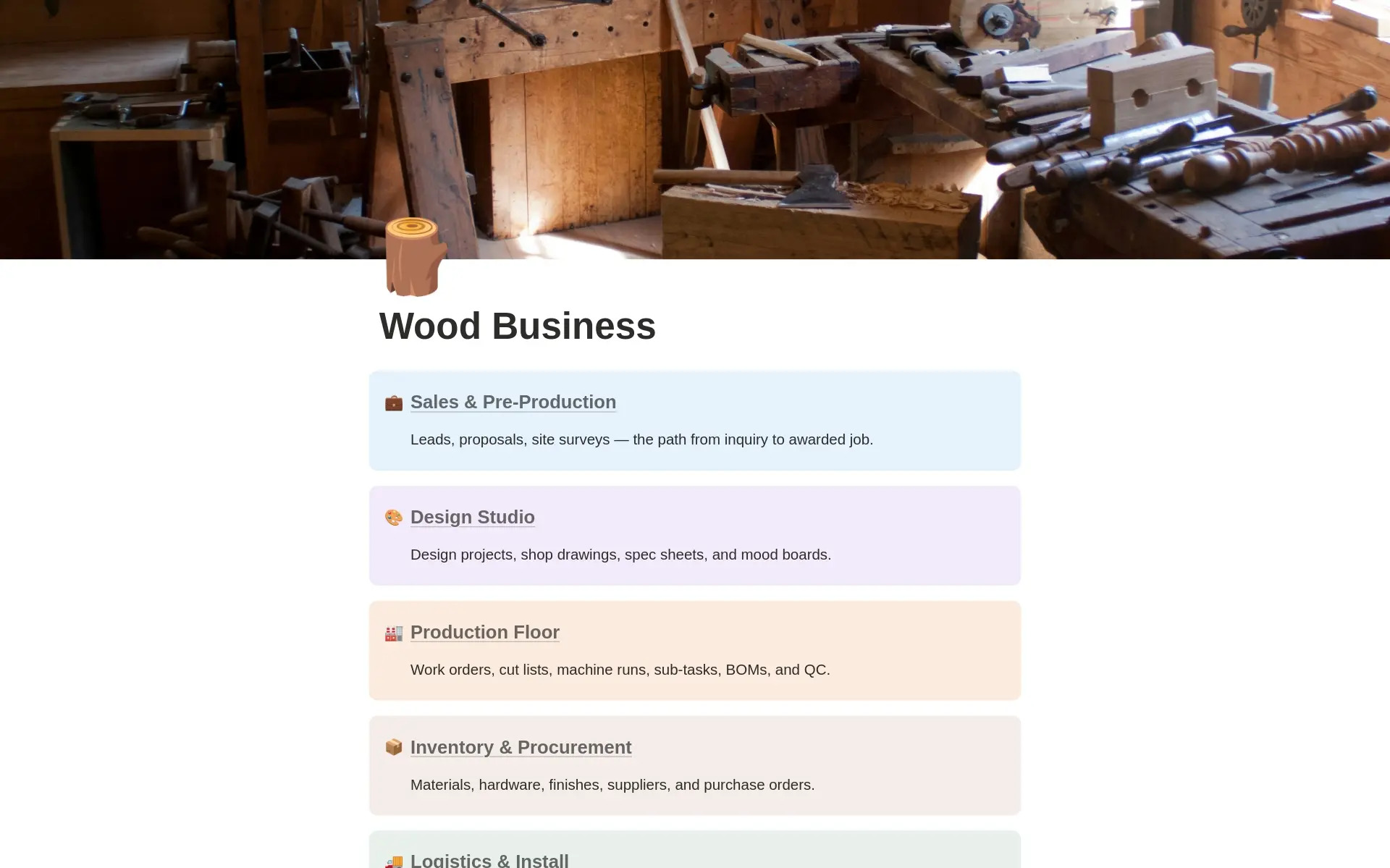
Wood Business OS
Quote to job to materials to production to delivery, for custom manufacturing.
Inspect ↗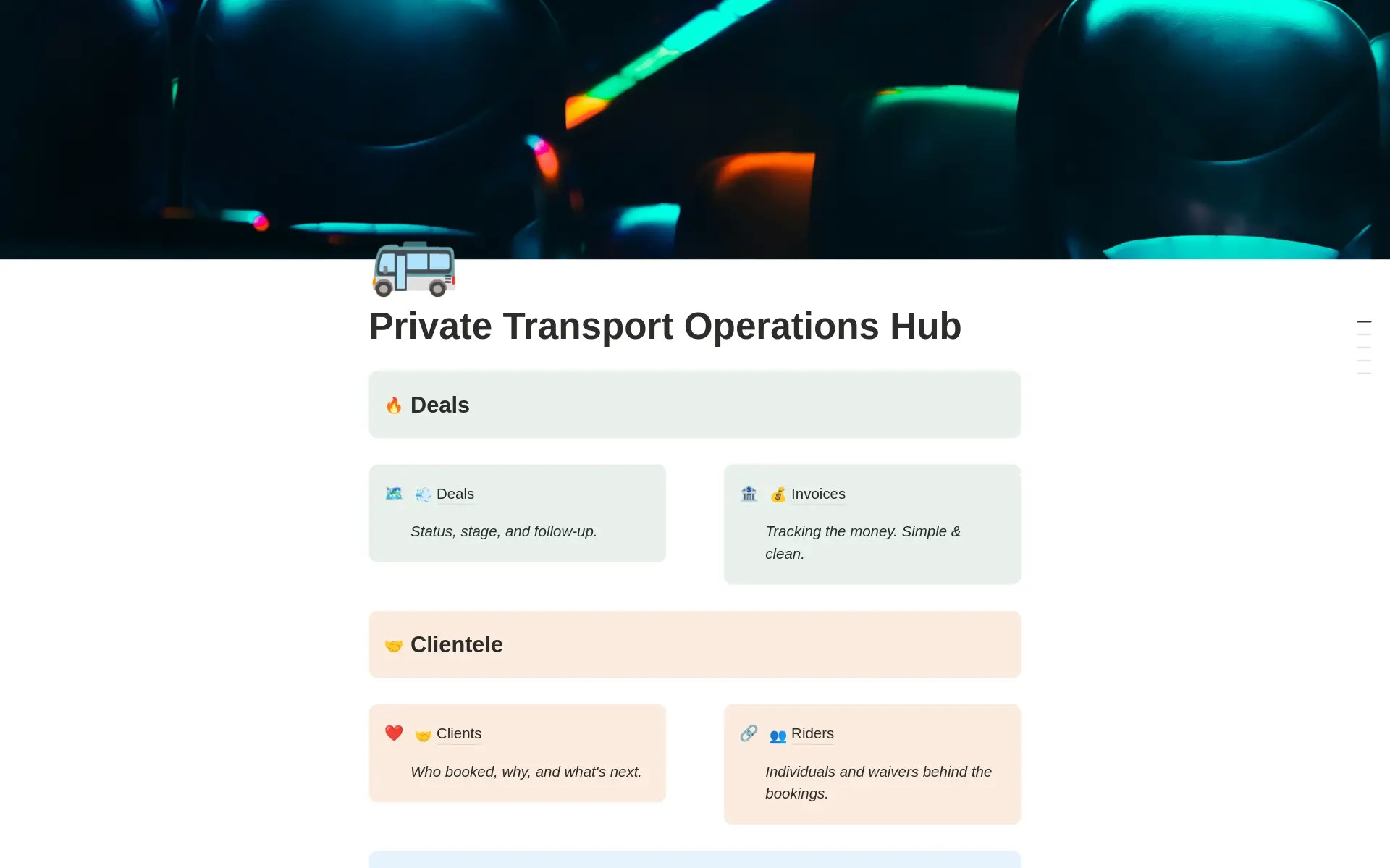
Private Transport Ops Hub
Customers, drivers, vehicles and schedules organized around the life of a trip.
Inspect ↗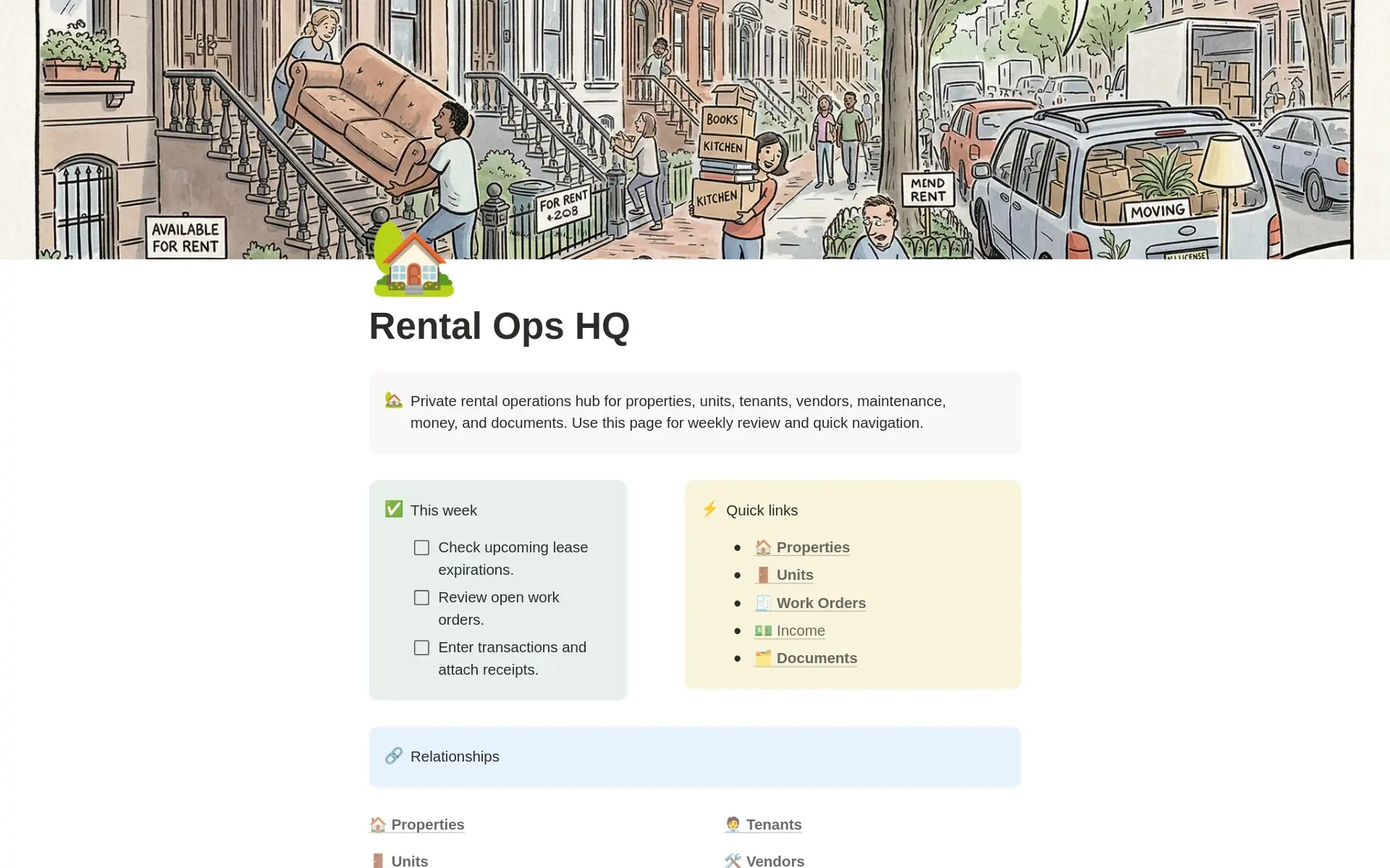
Rental Operations
Reservation, pickup, return and availability in one workspace.
Inspect ↗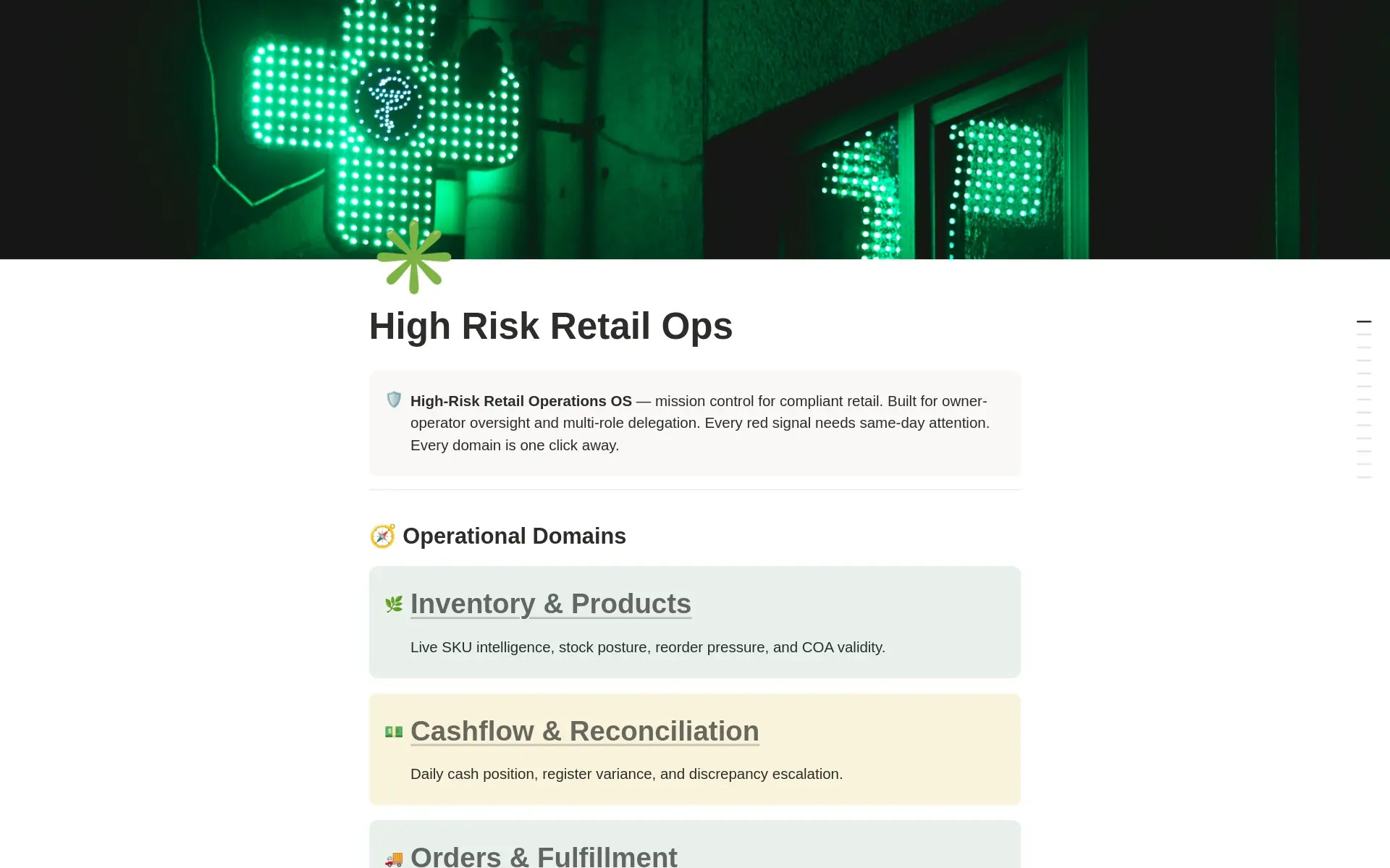
High-Risk Retail Ops
Products, vendors, inventory and compliance responsibilities.
Inspect ↗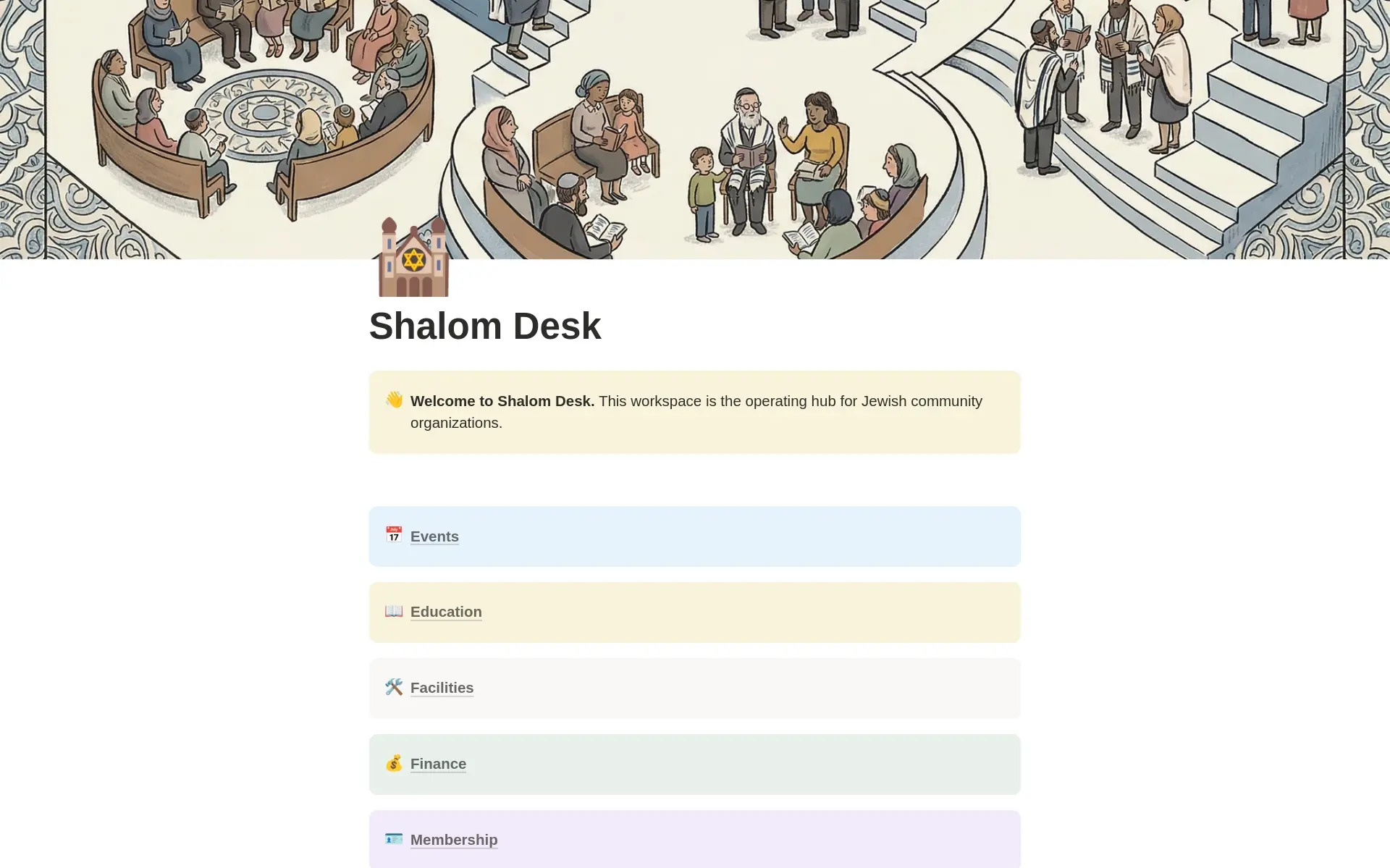
Shalom Desk
People, relationships, programs and follow-up for a community organization.
Inspect ↗The Business OS reference design.
An owner's workspace with AI-prepared drafts and the places a person approves them, built for three invented businesses. This is what a Blueprint looks like when it is finished.
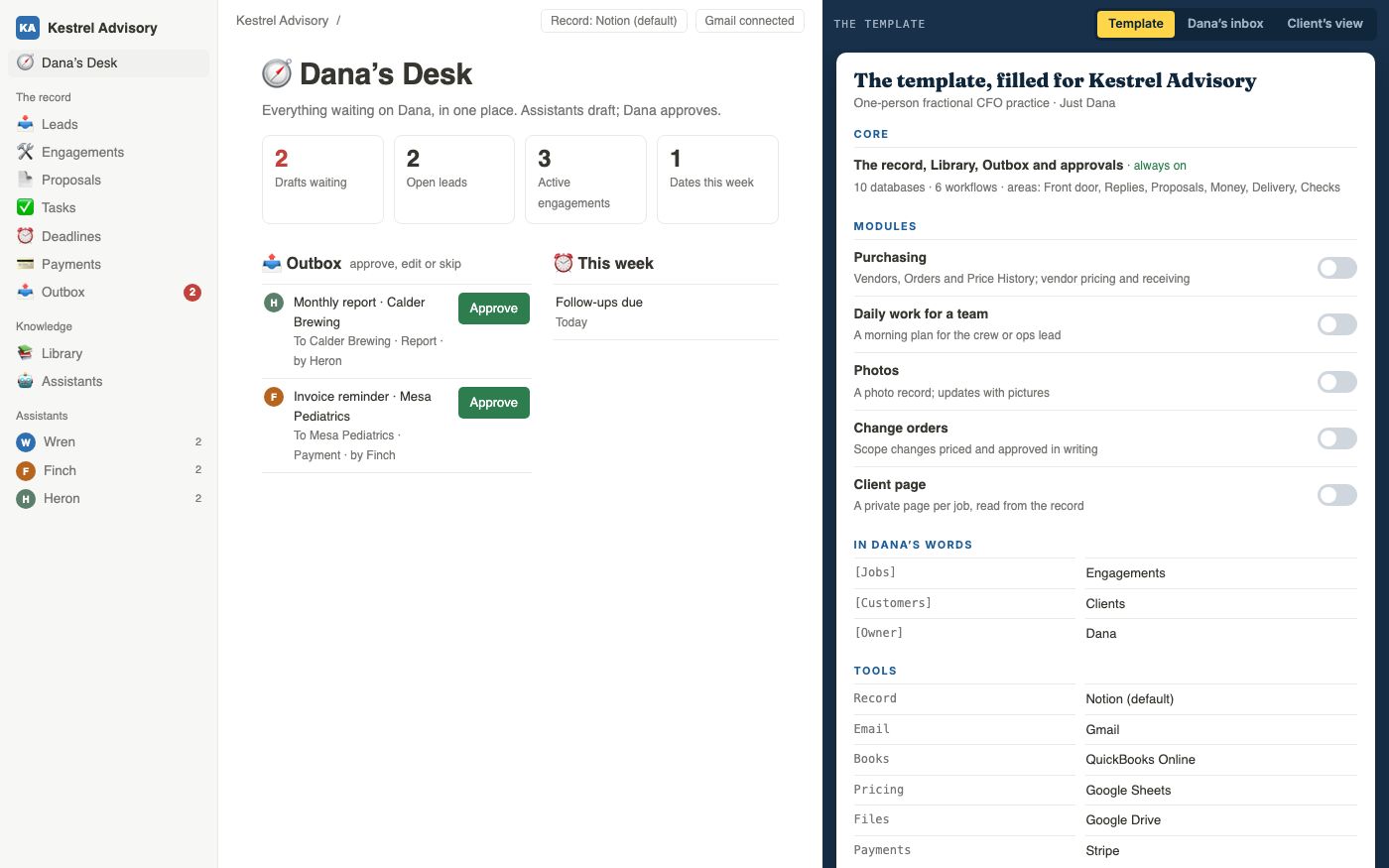
Reference design · invented example businesses
Follow what happens after a customer says yes.
One handoff, drawn two ways. The tools, checks and exceptions in a live build follow the business.
A customer signs.
- The agreement lands in an inbox.
- Someone copies the customer details into the CRM and creates a project.
- Operations gets an email and makes the folder and tasks.
- A required detail is missing. Sales has to ask the customer.
- Someone remembers to check again Thursday.
The process moves when a person carries it.
The signature starts the work.
- The customer record and project status update in the software responsible for each.
- Documents are filed and routine tasks appear with owners.
- Operations receives what it needs to begin.
- Missing details create a follow-up task for a named person.
- A check confirms the next person has what they need.
People handle judgment. The system carries the routine work and checks the handoff.
See how a recommendation is reached.
Four example reads drawn from previous client work, with identifying details changed or combined. Each shows the issue found and the first change recommended.
Millbrook · custom millwork
A composite read of a custom millwork shop, followed from the first example to the recommendation.
Follow the example →Hendricks · criminal defense
A composite read of a criminal defense practice.
Follow the example →Ridgeline · private transport
A composite read of a private transport operator.
Follow the example →Meridian · company reporting
A composite read centered on company reporting.
Follow the example →What would a system like this change for you?
Tell me the workflow that eats the most time. I reply within one business day.